Photography
Why authentic Airbnb photos lose to one bold colour
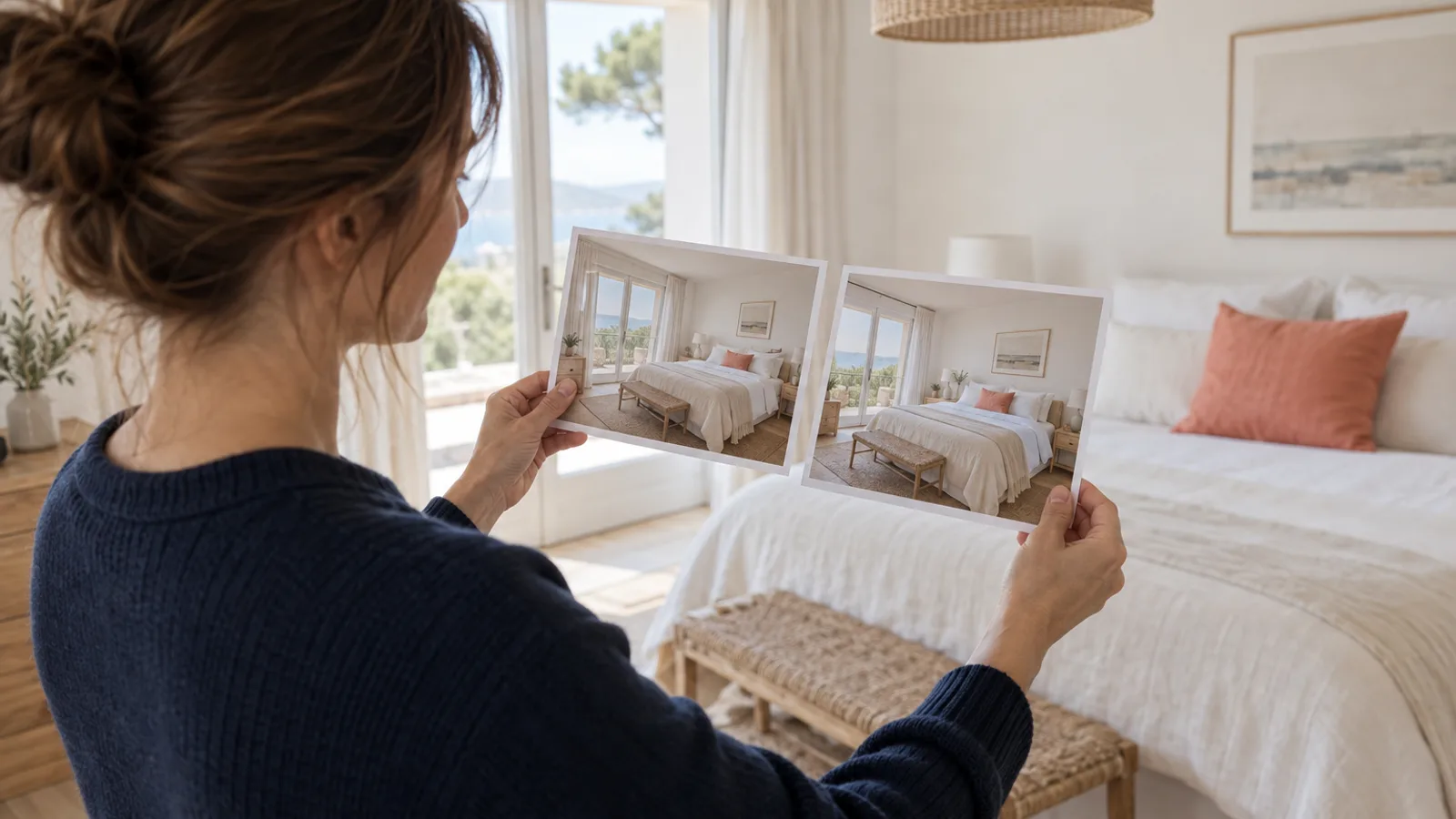
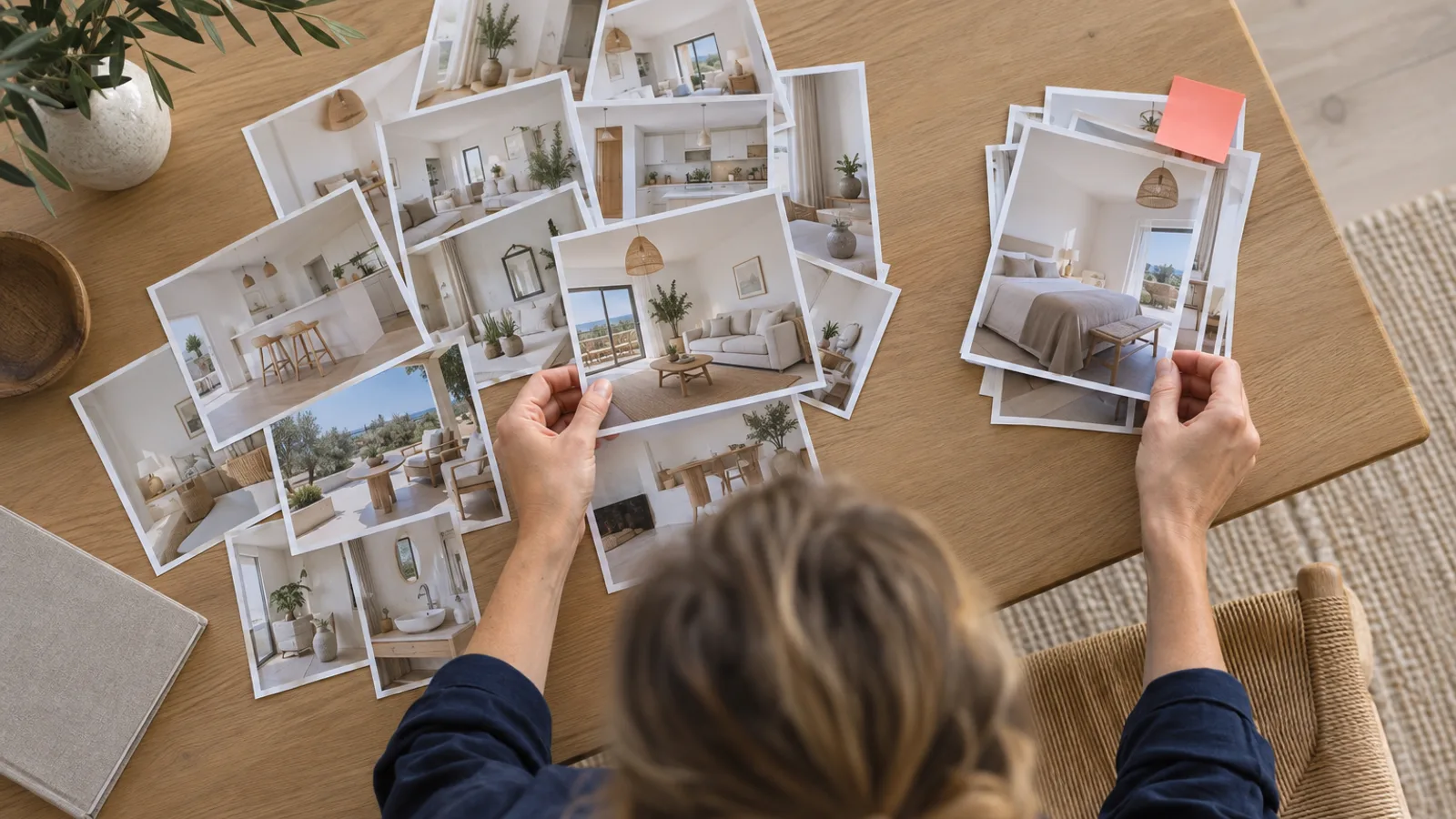
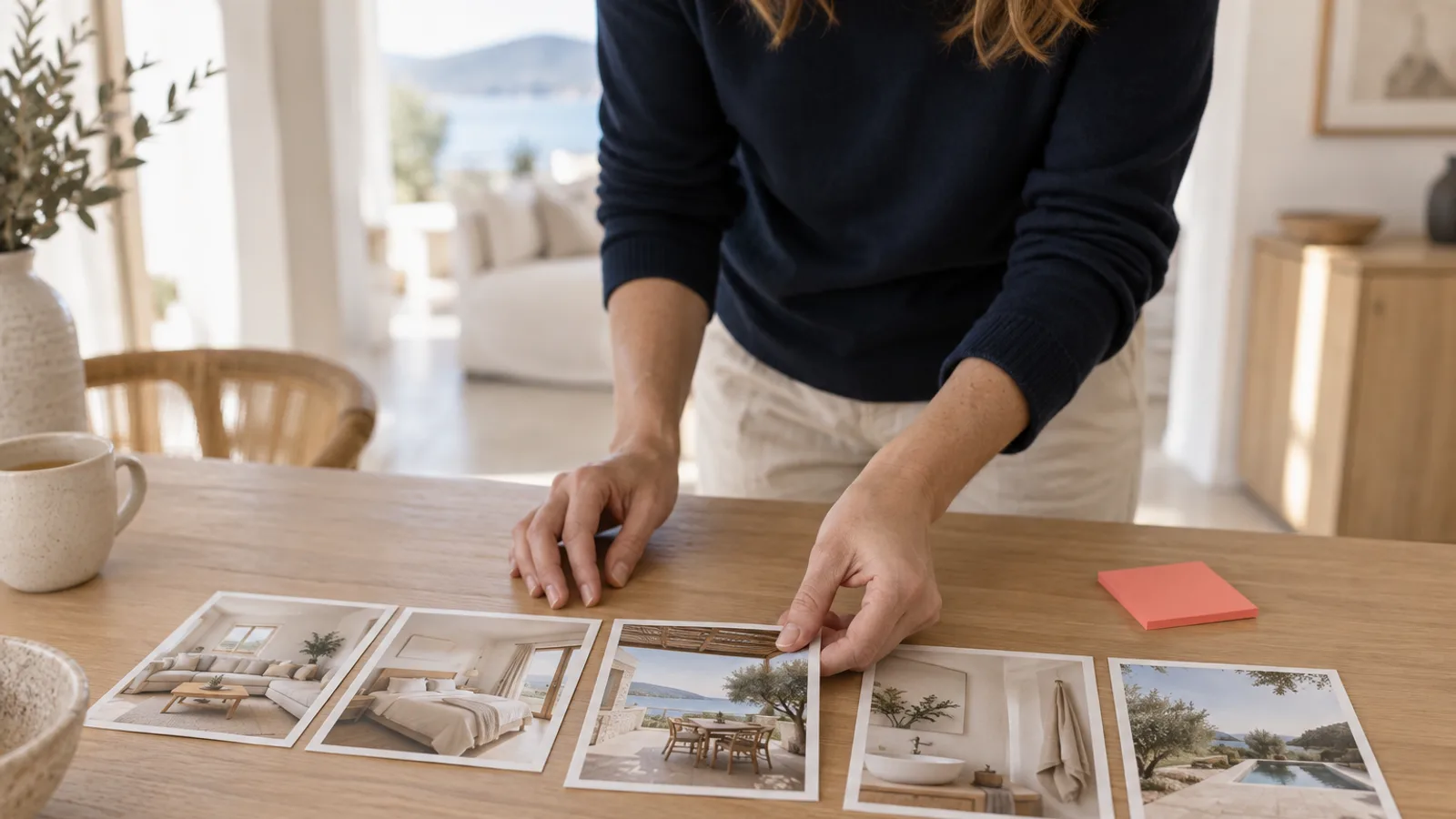
Authentic Airbnb photos lose to one bold colour because guests do not book the most honest photo, they click the one that stops the scroll. In a market of white walls and grey couches, uniformity is described as death, and the one reliable design lever is hero-photo click-through, won with a pattern break: a single bold colour or a standout composition (HostRev vault, 2026, cheatsheet 01). This is an opinion piece, but it is grounded in exactly that vetted line.
Key takeaways
- Uniformity is death. In a market of white walls and grey couches, a safe, average cover photo blends in and gets skipped (HostRev vault, 2026, cheatsheet 01).
- Photos compete for clicks, not authenticity. A technically honest but forgettable shot loses to one that stops the scroll.
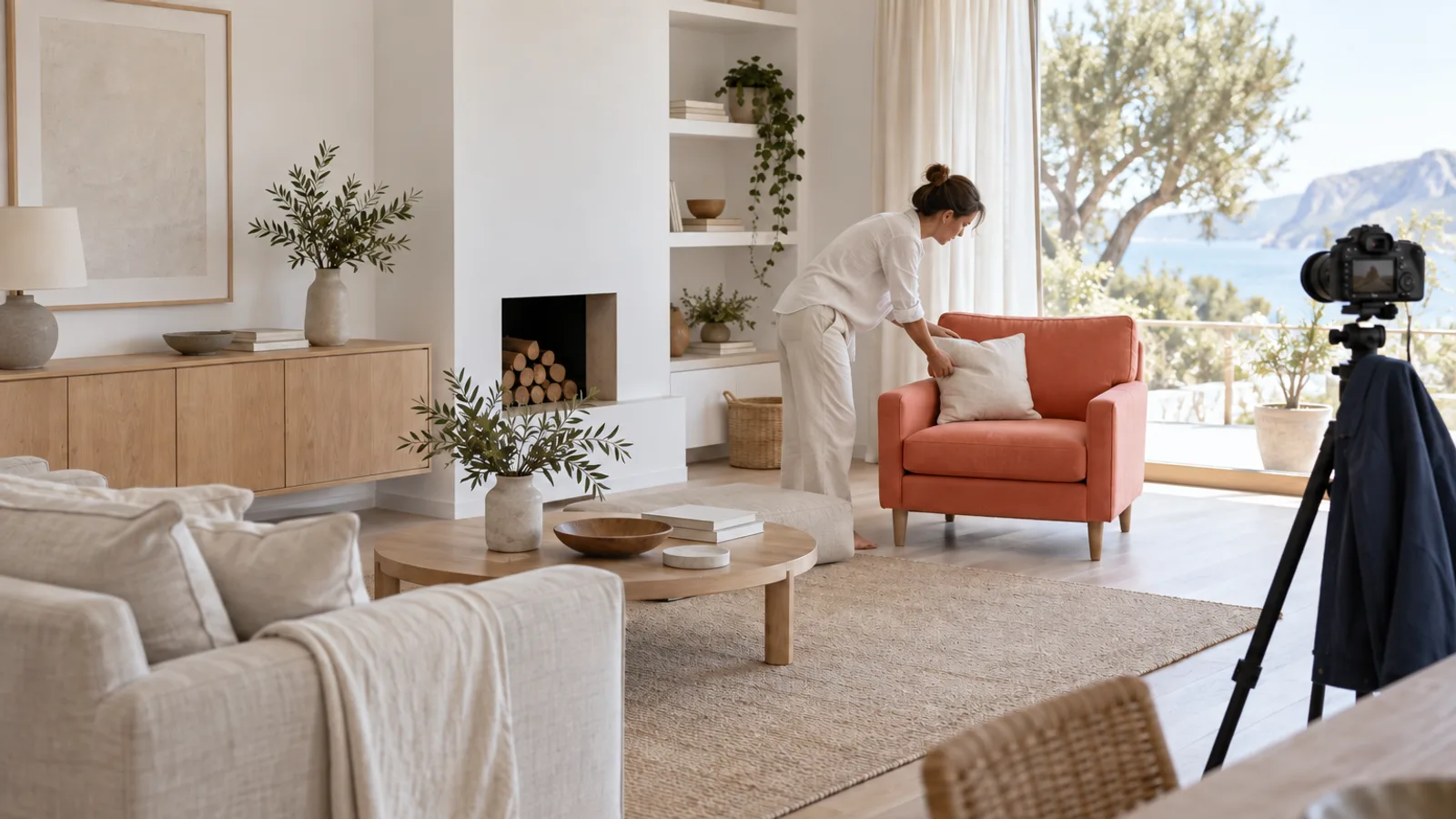
- One bold colour is the clearest pattern break. Plan a room around a single strong colour so the hero pops against grey-couch neighbours.
- Authentic and eye-catching are not enemies. The bold photo is still a real image of your real space. You are choosing which true photo to lead with.
- This is illustrative, not a guarantee. These are correlational patterns from the vault, and your result depends on your market and listing.
Why does authenticity lose the click?
Authenticity loses because it is not what a scrolling guest is scoring you on. A guest scanning a grid of thumbnails is not asking which listing is the most honest, they are asking which one their eye lands on first. A perfectly accurate photo that looks like every other listing simply does not register, and a photo that does not register does not get clicked.
The vault puts the trade-off in one uncomfortable line: photos compete for clicks, not for authenticity (HostRev vault, 2026, cheatsheet 01). That is not a licence to lie, it is a warning that "authentic but average" is a losing strategy. Your competitors' listings are all authentic too. Authenticity is table stakes, not a differentiator.
Hosts in HostRev's photo vault are blunt that Airbnb photos compete for clicks, not for authenticity, so a technically honest but forgettable cover loses to one that stops the scroll (HostRev vault, 2026, cheatsheet 01).
What is a pattern break, and why does colour win?
A pattern break is a hero photo that visibly differs from everything around it, and colour is the easiest lever to pull. Markets drift toward a default style: white walls, a grey couch, the same neutral lighting on every listing. That sameness is the opportunity, because the moment your thumbnail is not grey, it is the one the eye catches.
The vault calls this uniformity death and prescribes the antidote directly: apply a pattern break with one powerful, saturated colour, black instead of white, texture instead of flat surfaces (HostRev vault, 2026, cheatsheet 01). Hosts who furnish deliberately choose one strong colour up front, an odd-coloured couch, a bold accent wall, precisely so the hero photo has something to pop against. Grey couches, the vault notes, are simply out.
In HostRev's photo vault, uniformity in a market of white walls and grey couches is described as death, and the one reliable design lever is hero-photo click-through, won with a pattern break of a single bold colour or standout composition (HostRev vault, 2026, cheatsheet 01).
Does eye-catching mean dishonest?
No, and this is the line that matters. A pattern-break cover is still a real photograph of your real space. You are not inventing a colour that is not there or staging a room that does not exist, you are choosing which of your true photos leads, and, ideally, designing the real room so it has a standout colour to shoot. Among honest options, you pick the honest one that wins.
That distinction is the whole ethics of it. HostRev cleans up real photos, light, clutter, sharpness, and never fabricates amenities or replaces views, because a guest who arrives to a place that does not match the photos writes the review that ends your ranking. HostRev's Quick Enhance exists to make your real bold room look its best, not to fake one. Eye-catching and honest are allies, not opposites.
The pattern-break menu: three honest ways to stand out
You do not need a viral eye or a design degree. Here are three grounded ways to break the pattern, all using real photos of your real space.
| Move | What it looks like | Best for |
|---|---|---|
| One bold colour | A saturated accent wall, couch, or door in the hero | Interiors that currently read grey and neutral |
| Standout composition | A striking angle or framing others do not use | Places with good bones but average shots |
| Outdoor hero as ethical clickbait | A universally appealing exterior that hides the interior style, so the guest must click to see | Homes with a garden, view, or facade worth teasing |
These are illustrative tactics from HostRev's photo vault, not guarantees, and the right move depends on your market and listing (HostRev vault, 2026, cheatsheet 01).
How do you know if your cover blends in?
Run the laptop test. Open your own market on a laptop, apply the same filters a guest would, and look at the grid of thumbnails (HostRev vault, 2026, cheatsheet 01). Now find your listing without knowing where it is. If your eye has to hunt for it, it blends in, and blending in means no click.
This test is instinctive and takes two minutes. Does your thumbnail land, or does your eye slide past it toward a bolder neighbour? If it slides past, you have found your problem, and it is not that your photo is dishonest, it is that it is invisible. Steal what works: study the strongest listings in a market where bold style is already common and bring the idea to your own market where it is still rare (HostRev vault, 2026, cheatsheet 01).
Where the cover fits in the photo playbook
The cover is stage one of the whole funnel: it wins the click, and nothing downstream happens without it. Once the click is won, the first five photos confirm the promise with five different spaces, and the full gallery closes the browsing guest. For the bigger picture of why the click ceiling sits near 33% and how far iteration can push it, read the pillar on Airbnb photography that wins the click.
If you want to know whether your cover is actually your bottleneck before you reshoot, the what top hosts actually do framework shows you how to read impressions, clicks, and conversion so you fix the stage that is really leaking.
Frequently asked questions
What makes a good Airbnb cover photo?
A good cover photo breaks the pattern of your market instead of blending into it. In a sea of white walls and grey couches, uniformity is described as death, and the one reliable design lever is hero-photo click-through, won with a pattern break: a single bold colour or a standout composition (HostRev vault, 2026, cheatsheet 01). Open your market on a laptop and make sure your thumbnail stands out against the grey.
Should Airbnb cover photos be authentic or eye-catching?
Eye-catching, within the truth. The vault is blunt that photos compete for clicks, not for authenticity, so a technically honest but forgettable shot loses to one that stops the scroll (HostRev vault, 2026, cheatsheet 01). The photo must still be a real image of your real space, but among your true photos, pick or create the one that breaks the pattern.
Does a bold colour in the cover photo really help?
In a uniform market, a single bold colour is one of the clearest ways to win the click. Hosts in the vault plan a room around one strong colour precisely so the hero photo pops against grey-couch neighbours (HostRev vault, 2026, cheatsheet 01). It is a correlational, illustrative pattern rather than a guarantee, but the downside of a distinctive real photo is near zero.
How do you know if your cover photo blends in?
Open your own market on a laptop and look at the grid of thumbnails as a guest would. If your listing disappears into the row of similar photos, it blends in, and blending in means no click (HostRev vault, 2026, cheatsheet 01). The test is instinctive: does your eye land on your thumbnail, or slide past it?